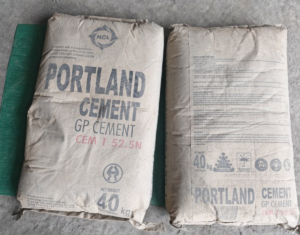
High-strength cement manufactured primarily from Portland cement clinker, suitable for structural concrete, ready-mixed concrete and precast production. Compliant with EN 197-1:2011, it achieves a minimum compressive strength of 52.5 MPa at 28 days and 20 MPa at 2 days. Its reliable strength development makes it ideal for reinforced concrete structures, foundations, beams, columns, suspended slabs and precast concrete elements in commercial buildings and infrastructure projects.
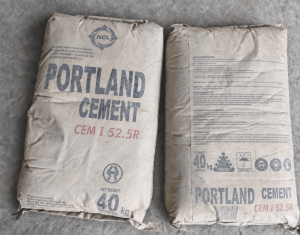
CEM I 52.5 R is a high-strength Portland cement for precast production and structural concrete that need rapid early strength development. It reaches a minimum compressive strength of 30 MPa at two days in standard mortar tests, making it a practical choice for precast beams, wall panels and prestressed girders where early demoulding matters.
Composite Portland cement offering a reliable solution for structural, general construction and infrastructure projects. It can also be used in ready-mixed concrete and precast concrete production where normal strength development is appropriate. Its blended composition also allows more efficient use of clinker compared with conventional CEM I cement, depending on the constituent type and proportion.
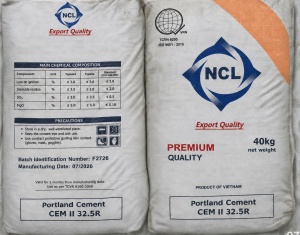
CEM II 32.5 R is a composite Portland cement for concrete blocks, masonry mortar, floor screeds and renders. It combines high early strength within the 32.5 class with a minimum 28-day compressive strength of 32.5 MPa in standard mortar tests, making it suitable for a range of general building applications.
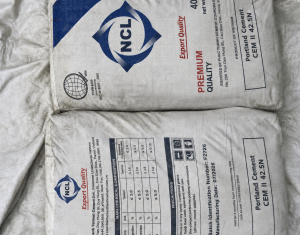
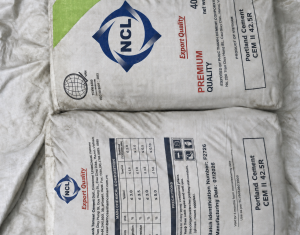
CEM II 42.5 R is a composite Portland cement for precast and reinforced concrete applications where early strength matters. It delivers at least 20 MPa at two days in standard mortar tests and can support earlier demoulding of precast elements or formwork removal when the concrete reaches the required strength.
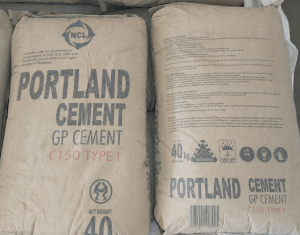
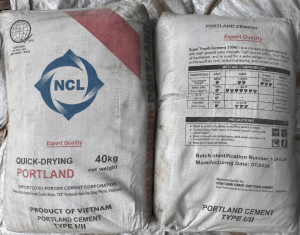
ASTM C150 Type I is a general-purpose Portland cement for ready-mix concrete used in foundations, columns, beams, slabs and pavements. It has a specified minimum 28-day compressive strength of 28 MPa in standard mortar tests.
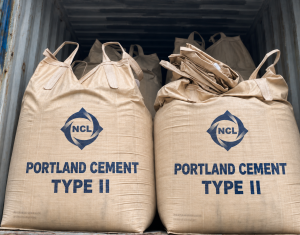
ASTM C150 Type II Portland cement is designed for concrete exposed to moderate sulfate conditions. Its controlled composition makes it suitable for foundations, retaining walls and underground structures in contact with moderately sulfate-bearing soil or groundwater.
Type IP is a Portland-pozzolan cement for foundations, bridges and other infrastructure. Its pozzolanic blend can help reduce concrete permeability over time when the mix is properly designed and cured.
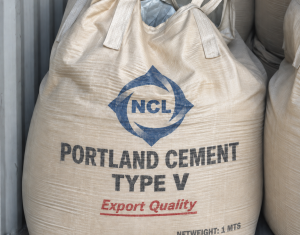
ASTM C150/C150M Type V Portland cement is designed for concrete exposed to high sulfate levels in soil or groundwater. It is suited to foundations, retaining walls, bridge substructures and buried concrete where the project specifies high sulfate-resistant cement.
ASTM C150 Type I/II Low Alkali Portland cement combines general-purpose use with moderate sulfate resistance. Its equivalent alkali content is limited to 0.60%, which helps manage alkali-silica reaction risk where potentially reactive aggregates are used.
ASTM C150 Type II/V Portland cement is intended for concrete exposed to sulfate-bearing soils or groundwater. Its tricalcium aluminate content is limited to 5.0%, making it suited to foundations, retaining walls and underground structures where high sulfate resistance is specified.
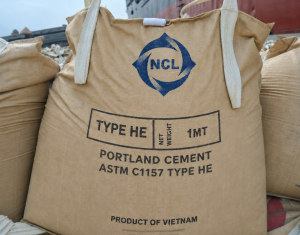
ASTM C1157 Type HE is a hydraulic cement designed for rapid early strength development in precast and prestressed concrete. It can help manufacturers shorten mould cycles by allowing earlier demoulding once elements reach the required release strength.
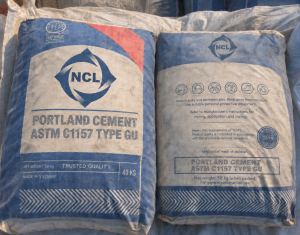
ASTM C1157 Type GU is a general-use hydraulic cement for ready-mix concrete and everyday construction. It is suited to foundations, columns, beams, slabs and pavements, with a specified minimum 28-day mortar compressive strength of 28 MPa.
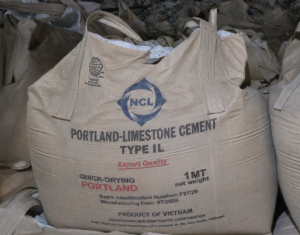
Type IL Portland-limestone cement is a blended hydraulic cement for general construction. Typical applications include ready-mix concrete for foundations, reinforced concrete structures, industrial floors and pavements.