CEPI Eurokraft, the Confederation of European Paper Industries for kraft paper sack manufacturers, has just released research results showing that paper sacks not only perform better during the packaging process but are also more environmentally friendly and safer for workers compared to woven polypropylene (WPP) sacks. These findings are part of a new trend in the cement industry aimed at improving efficiency and promoting sustainable development.
In the industrial cement production sector, performance and environmental risk management are increasingly prioritized. Packaging is no longer a minor issue but a critical factor. To provide a comprehensive view, CEPI Eurokraft conducted a series of comparative tests between two common cement packaging types: kraft paper sacks and woven polypropylene sacks (WPP), focusing on four key metrics: packaging performance, product loss, dust emissions, and carbon footprint.
Mục lục
Specifically, the average time to fill a 50 kg cement bag was just 9.6 seconds for paper sacks, 21% faster than the 12.2 seconds for WPP. Paper sacks also showed superior natural adhesion and air permeability, reducing the need for vacuum systems and minimizing complex mechanical processes used with WPP. This translates to simpler and more secure sealing, better protection, and smoother operations in the logistics chain.
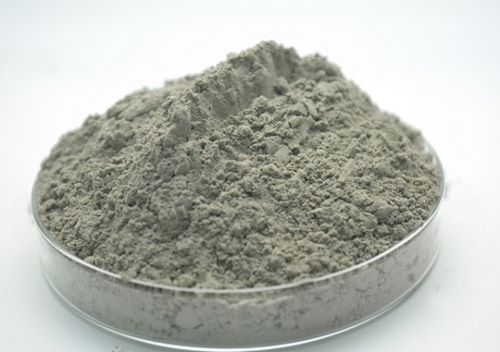
Tests also revealed that WPP sacks lost four times more cement during packaging and transport. From a 90 cm drop height test, each WPP sack lost on average 9.55 grams of cement, while paper sacks only lost 2.44 grams. The widespread breakage in WPP sacks not only causes material loss but also increases workplace dust, impacting health and requiring additional cleaning and machinery maintenance.
Dust emissions were another major focus. Under supervision from Austria’s Control Centre for Emissions (ÖSBS), WPP sacks were found to release 2 to 3 times more fine particulate matter (PM10 and PM2.5) than paper sacks. These fine particles can deeply penetrate the lungs, cause inflammation, asthma, and long-term damage to worker health. Paper sacks' ability to limit fine dust emissions makes them a key solution in reducing health-related risks.
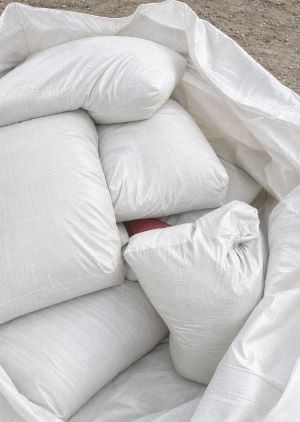
From an environmental perspective, carbon footprint studies in non-European markets such as the Persian Gulf, Saudi Arabia (Middle East), Mexico (Central America), and Indonesia (Southeast Asia) showed that WPP sacks emit up to six times more CO₂ than paper sacks. Paper sacks also have a smaller environmental impact throughout their supply chain. This discrepancy mainly stems from the energy-intensive production process and plastic composition of polypropylene, versus the more biodegradable and simpler manufacturing process of kraft paper.
CEPI Eurokraft’s Secretary General, Ms. Elin Gordon, emphasized that while packaging may seem like a small element in the supply chain, it significantly affects production efficiency, environmental impact, and worker health. The research demonstrates that paper sacks are not only technically superior but also represent a smarter, more sustainable choice for the modern cement industry.
Source: cepi-eurokraft.org