The Philippine Department of Trade and Industry (DTI) has issued new regulations aimed at strengthening inspection and certification requirements for imported cement products. The move follows the discovery of several cases in which imported cement was released into the market before completing the mandatory testing and certification process, raising concerns over construction quality and safety.
Enhancing quality control over construction materials has become an increasingly common regulatory trend worldwide to ensure structural safety and improve market oversight. In the Philippines, the newly introduced measures reflect the government's commitment to tightening supervision of imported cement before it is allowed to enter the domestic market.
Mục lục
According to the DTI, Department Administrative Order (DAO) No. 26-02, Series of 2026, has been issued to supplement the implementation guidelines for the mandatory certification scheme covering Portland cement and blended cement products sold in the country.
The new regulation was prompted by findings that some imported cement had been distributed commercially before completing the required inspection and testing procedures.
The DTI stated that such practices undermine the effectiveness of product quality monitoring, compromise compliance with technical standards, and may directly affect the safety and quality of construction projects.
Under the new rules, shipments subject to mandatory certification may not be used or distributed while awaiting the completion of inspection, testing, and quality assessment procedures.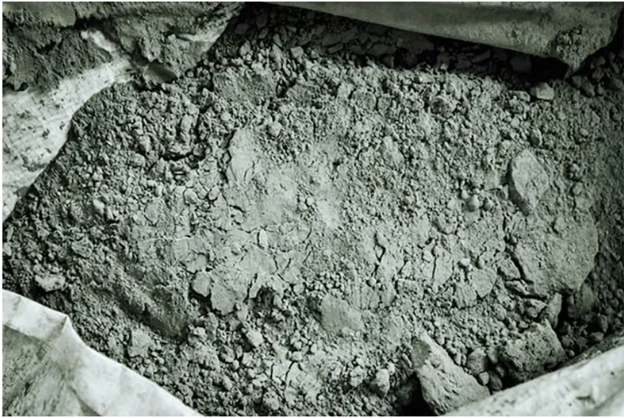
One of the key highlights of the new regulation is the increased emphasis on transparency regarding the technical characteristics of cement products available on the market.
Specifically, manufacturers of Portland cement containing limestone in the cementitious blend must disclose the limestone content as a percentage of the total cement mass. They are also required to declare the product's carbon dioxide (CO₂) content and equivalent alkali content.
These parameters must be included in certification applications and reflected in test reports issued by the Philippine Bureau of Philippine Standards (BPS) or laboratories accredited by the agency.
Industry experts believe that the new requirements demonstrate the Philippines' growing focus on technical transparency and tighter control over factors that influence cement quality.
The new administrative order also revises the certification process for imported cement shipments to ensure stricter quality control before products are released to the market.
Importers must complete all inspection and testing procedures after the goods arrive at the port and before they are distributed for commercial use. Regulatory authorities will conduct on-site inspections, collect samples, and assess whether the shipment complies with both the import documentation and applicable technical standards.
If a shipment fails to meet the required quality standards, the authorities may deny certification and impose appropriate enforcement measures in accordance with existing regulations.
The DTI has announced that both domestic and international cement manufacturers will be granted a six-month transition period to comply with the new chemical and physical property requirements before full implementation. The regulations are scheduled to take effect 15 days after their official publication.
Source: ximang.vn